Tractors

The Evolution of the American Farm Tractor

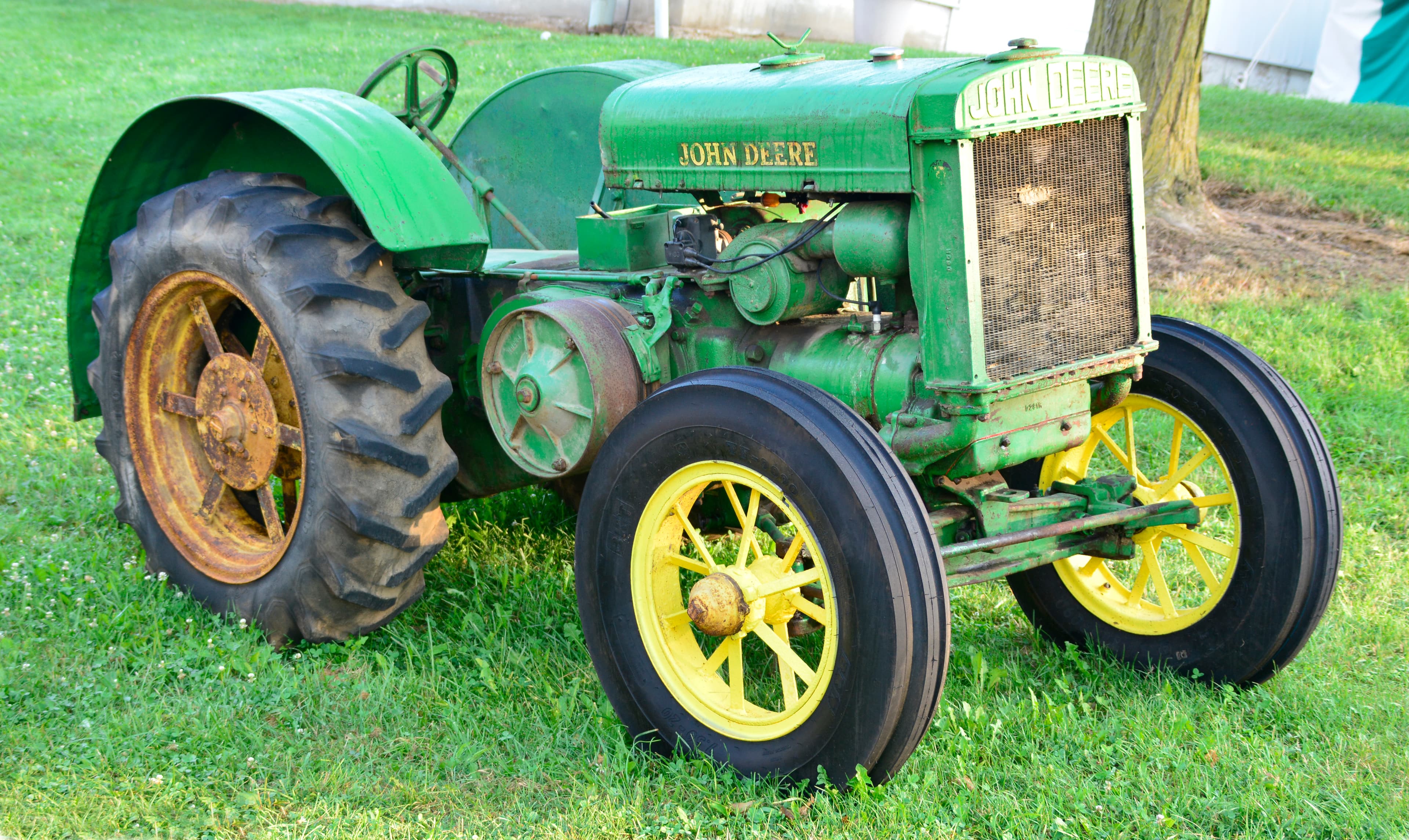
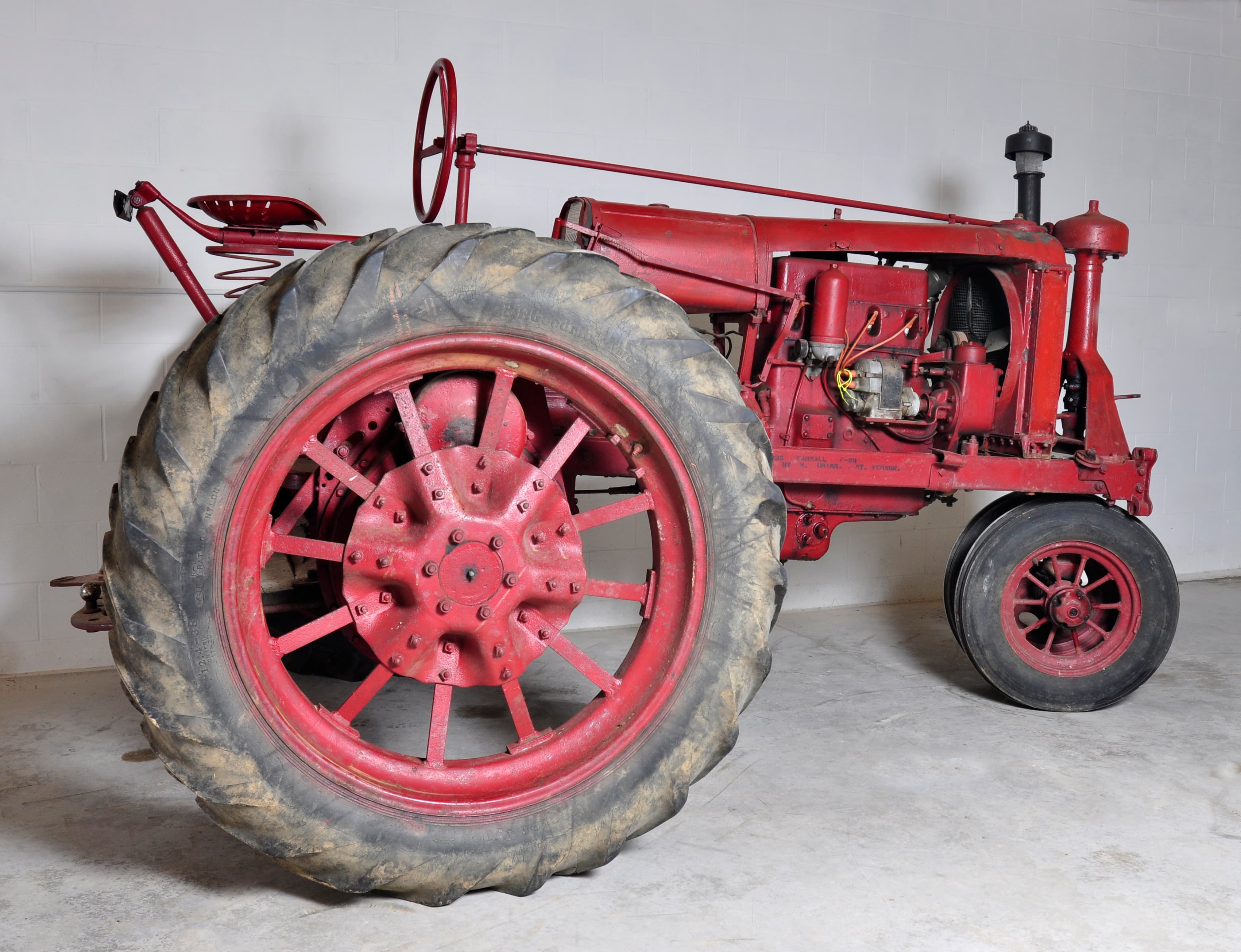
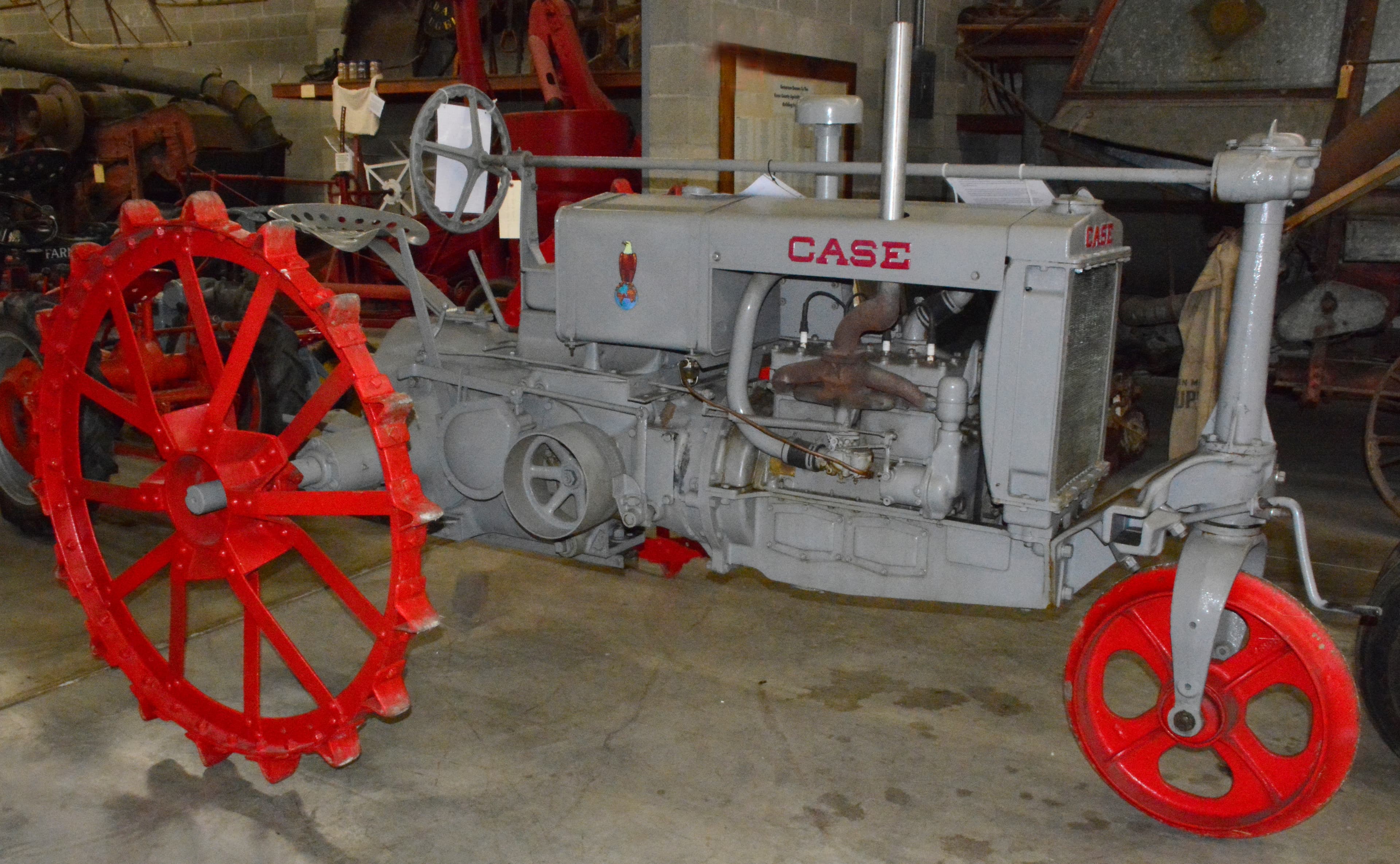
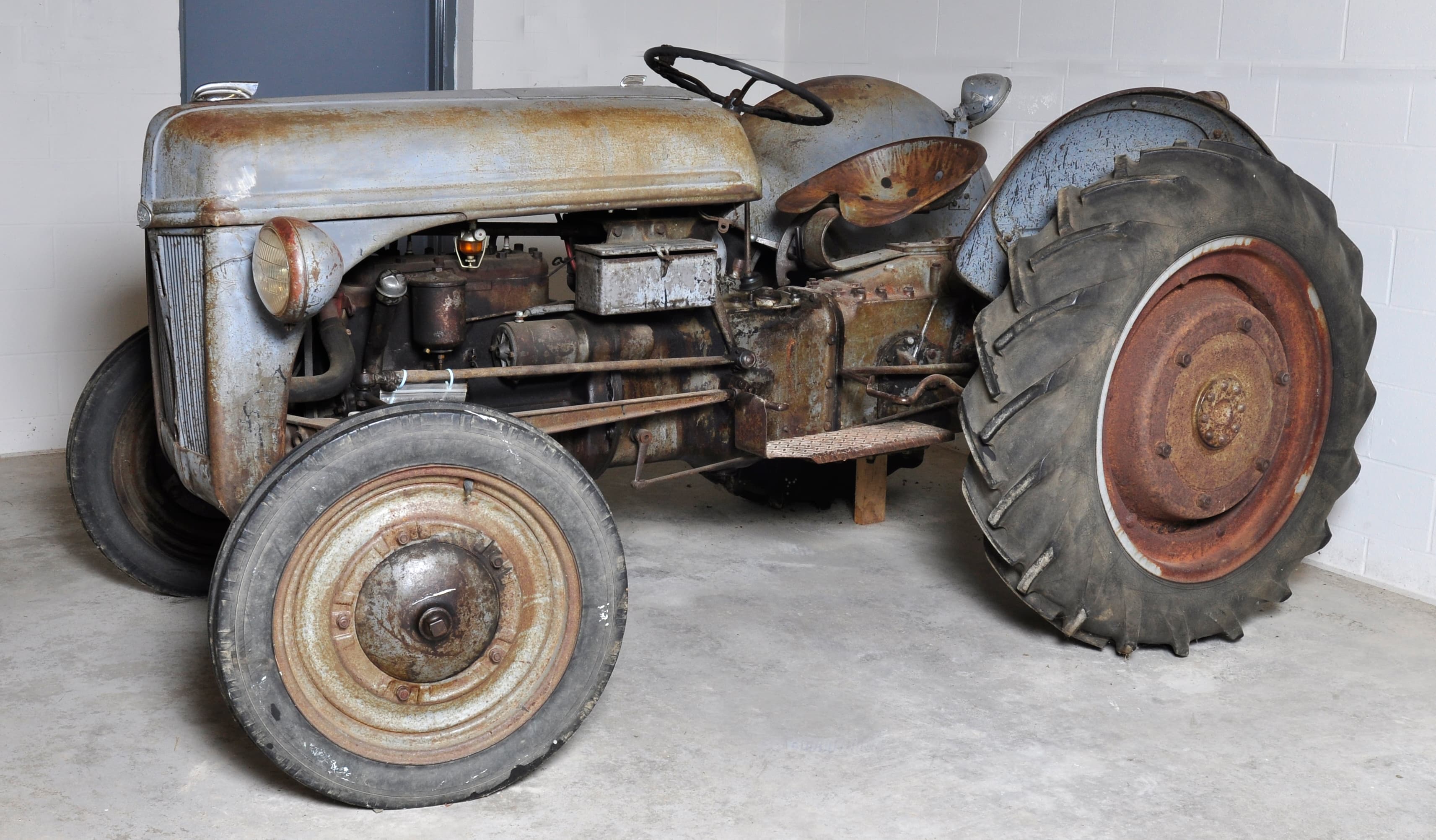
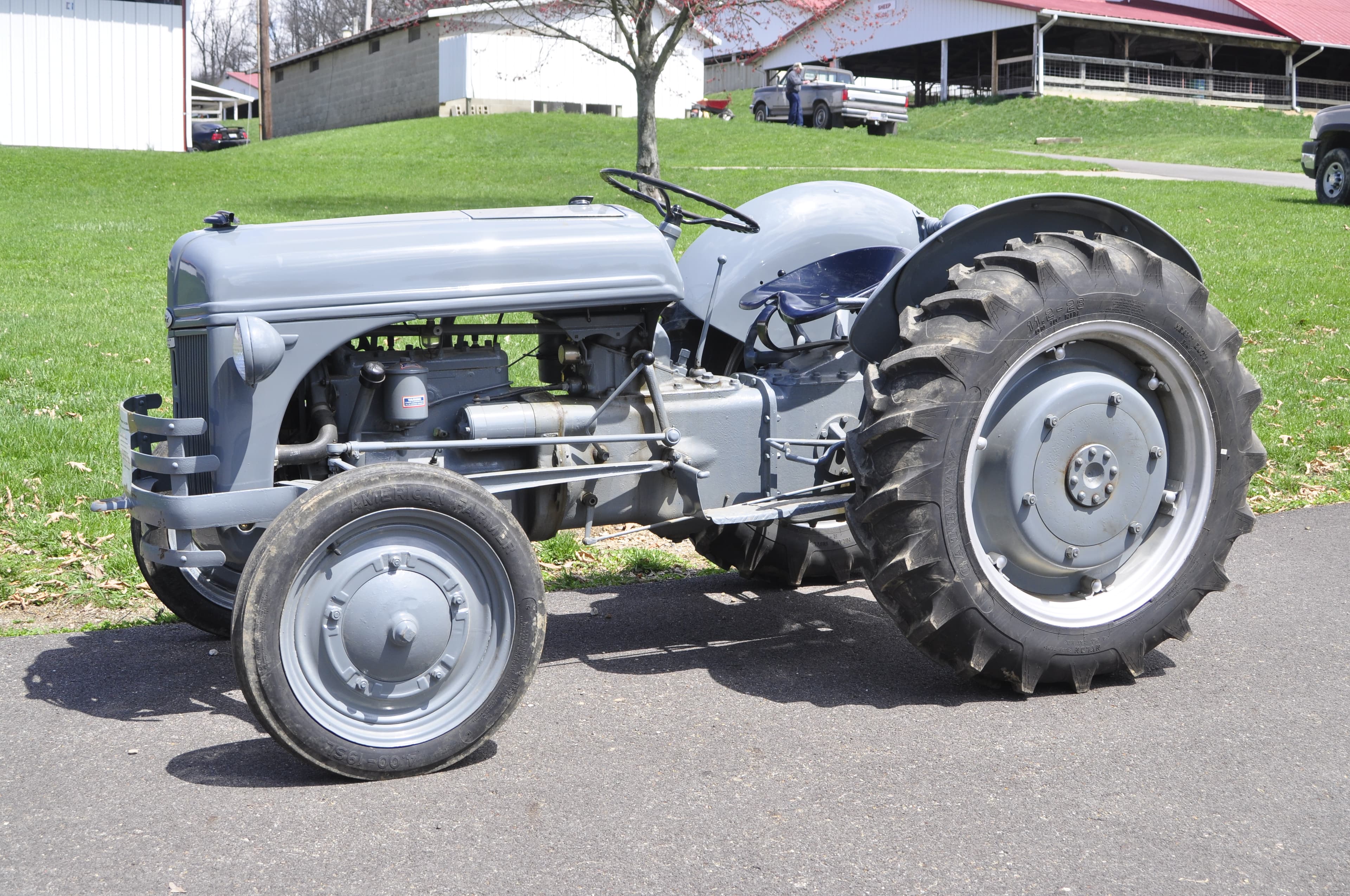
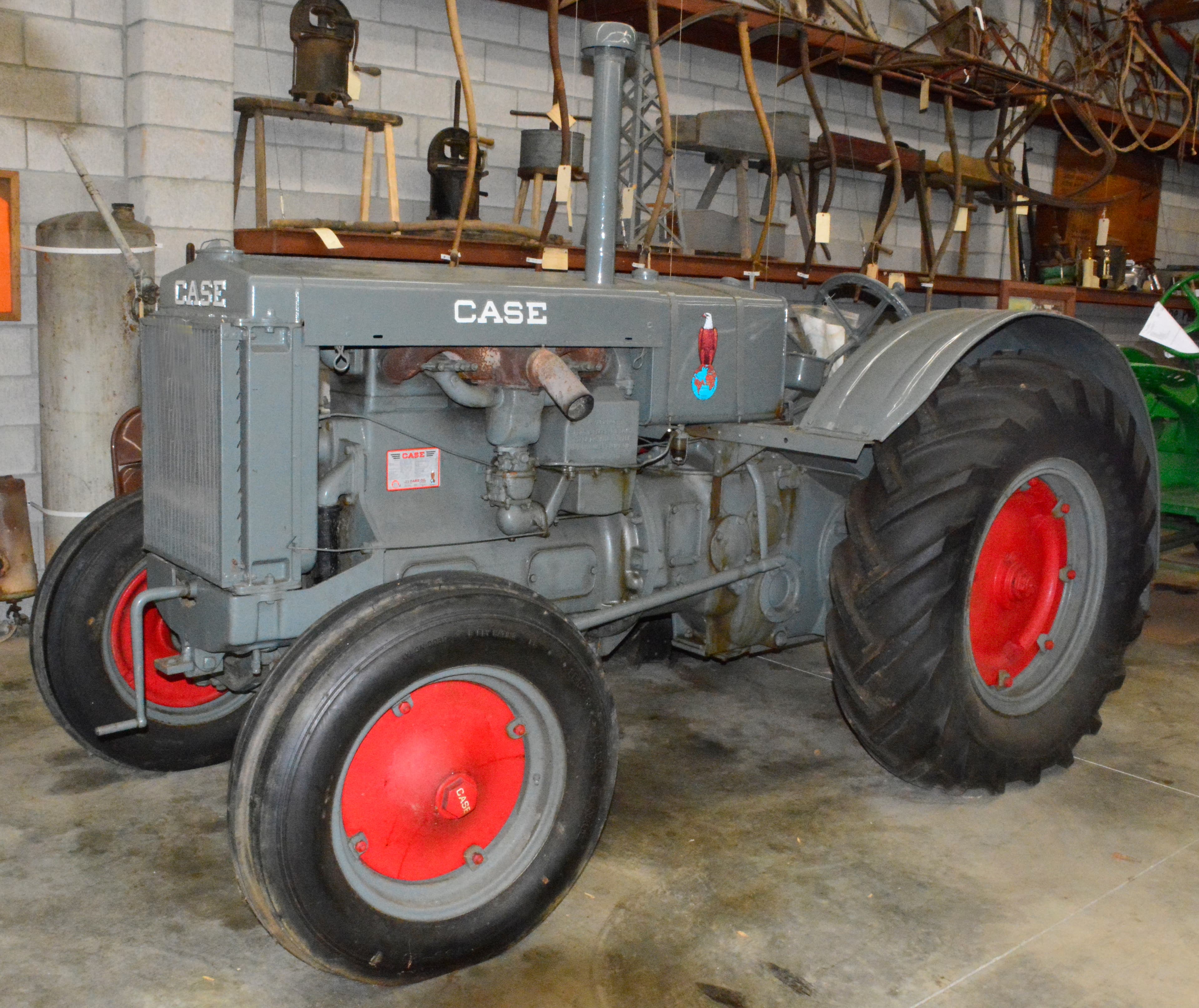
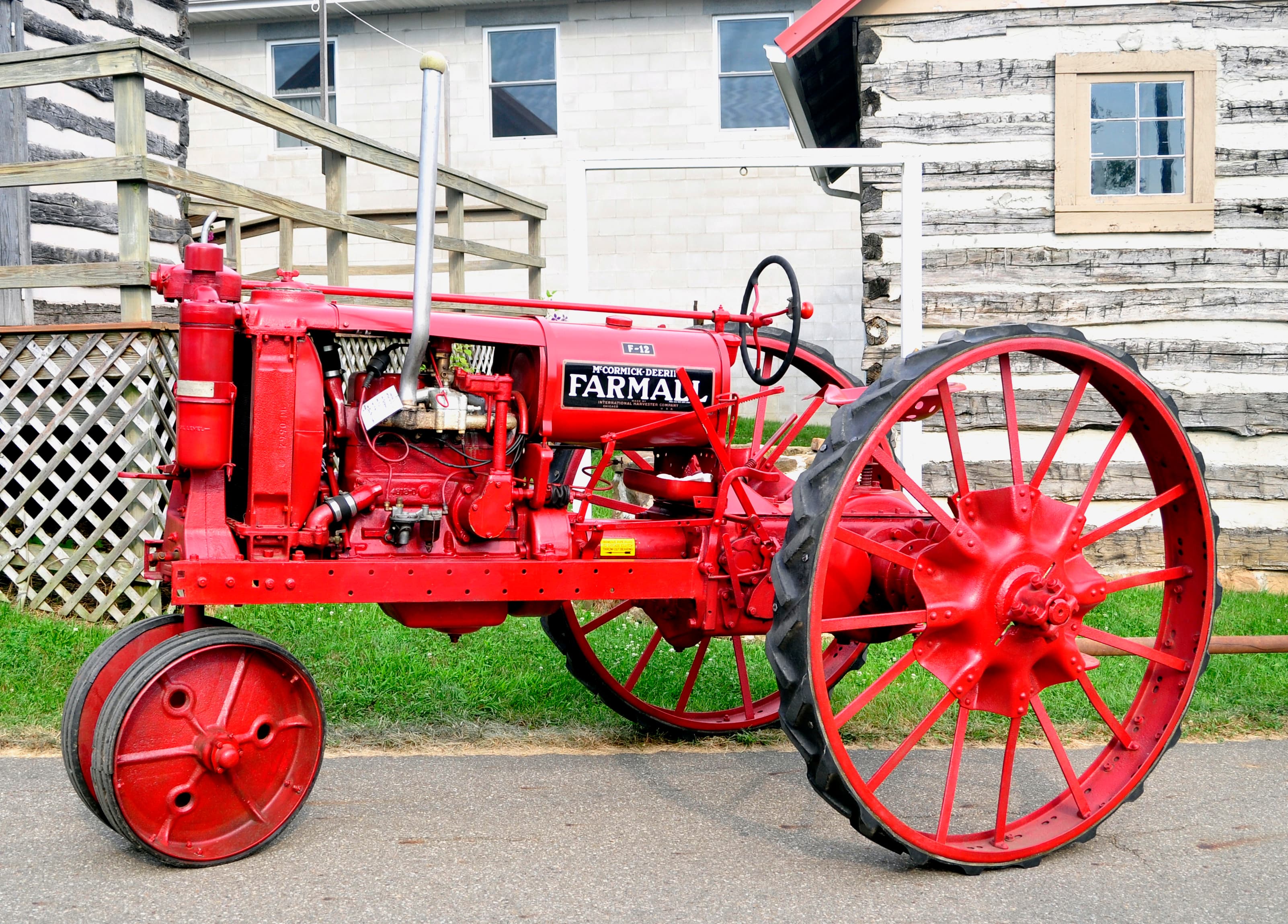
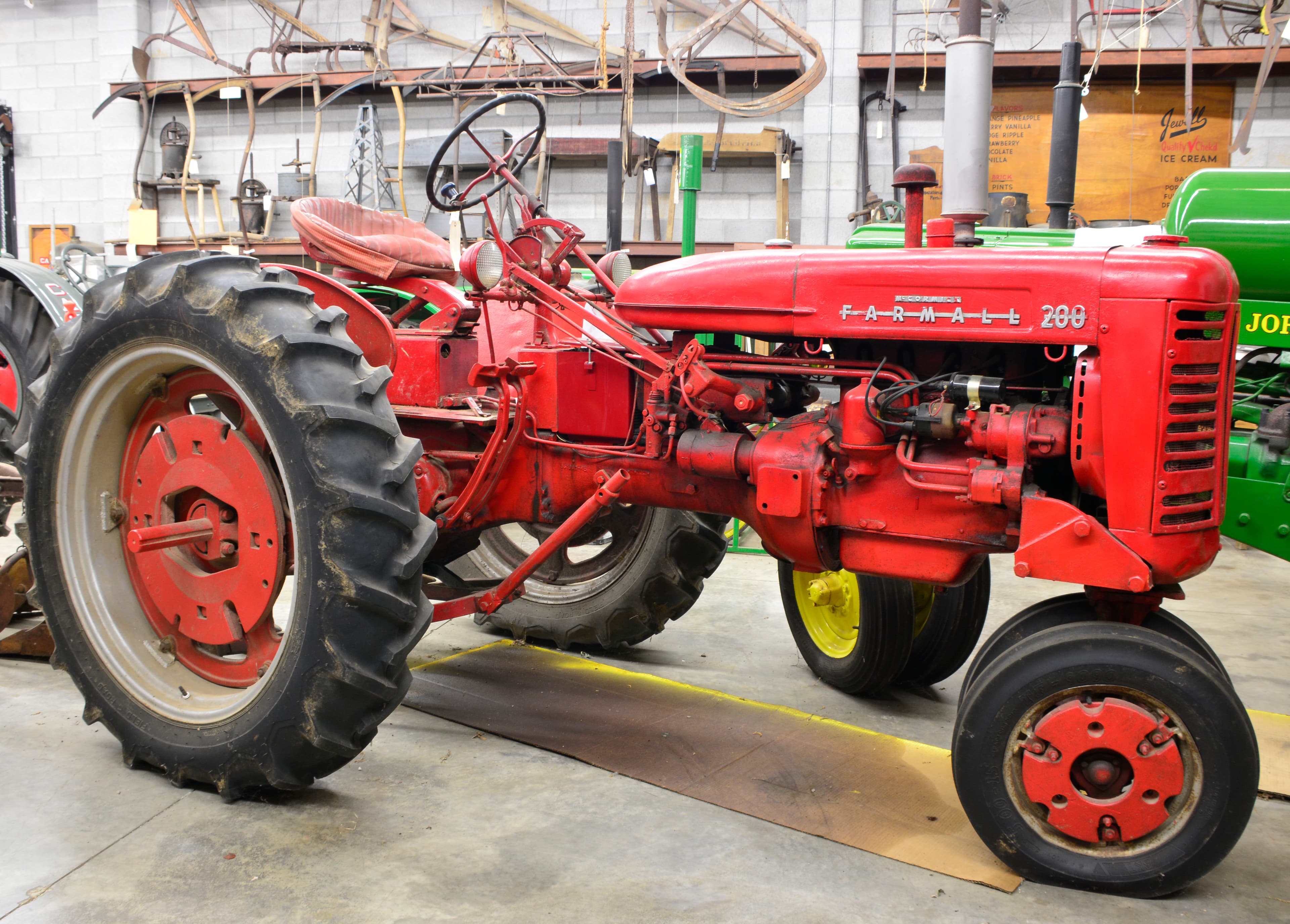
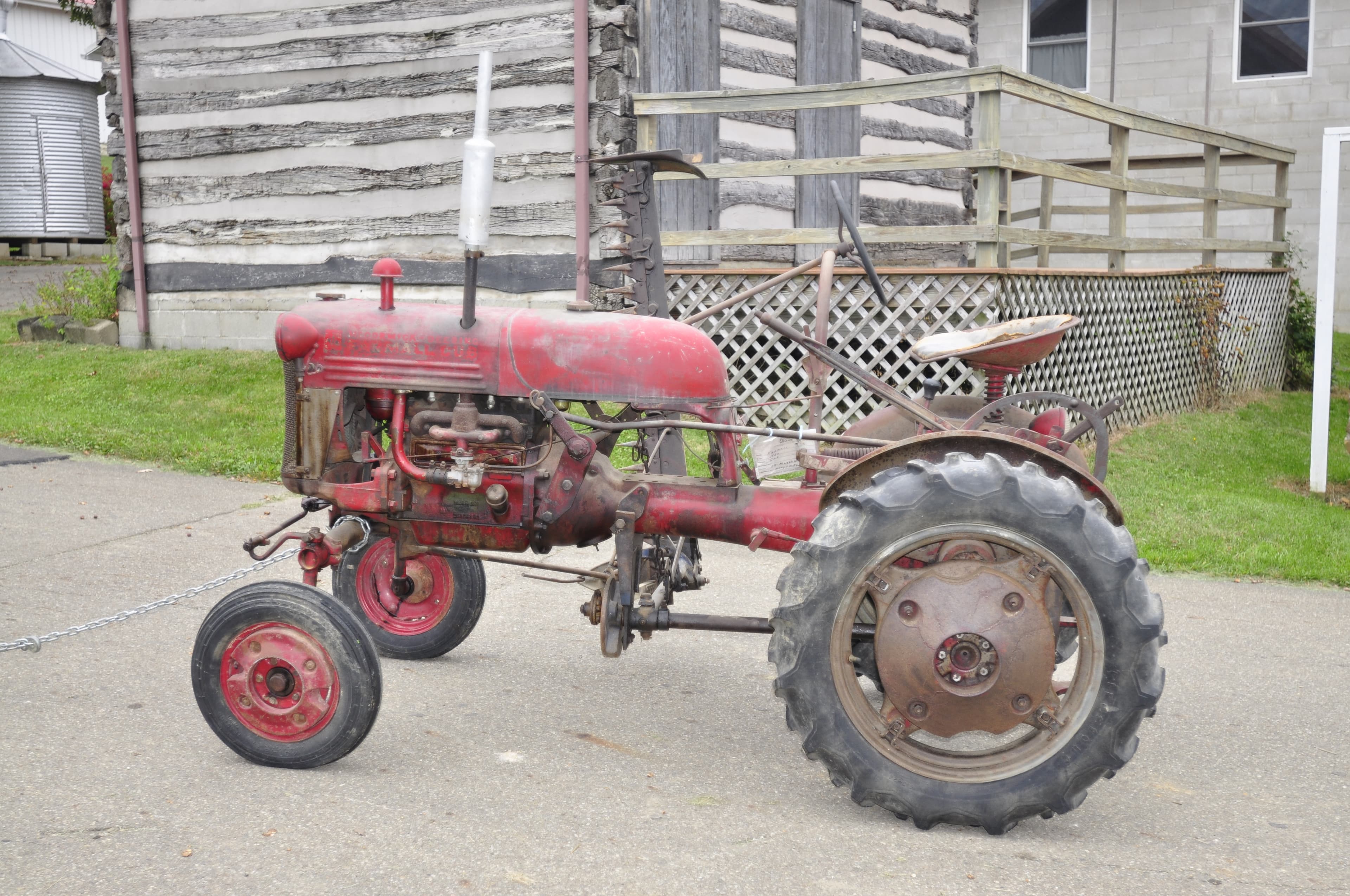
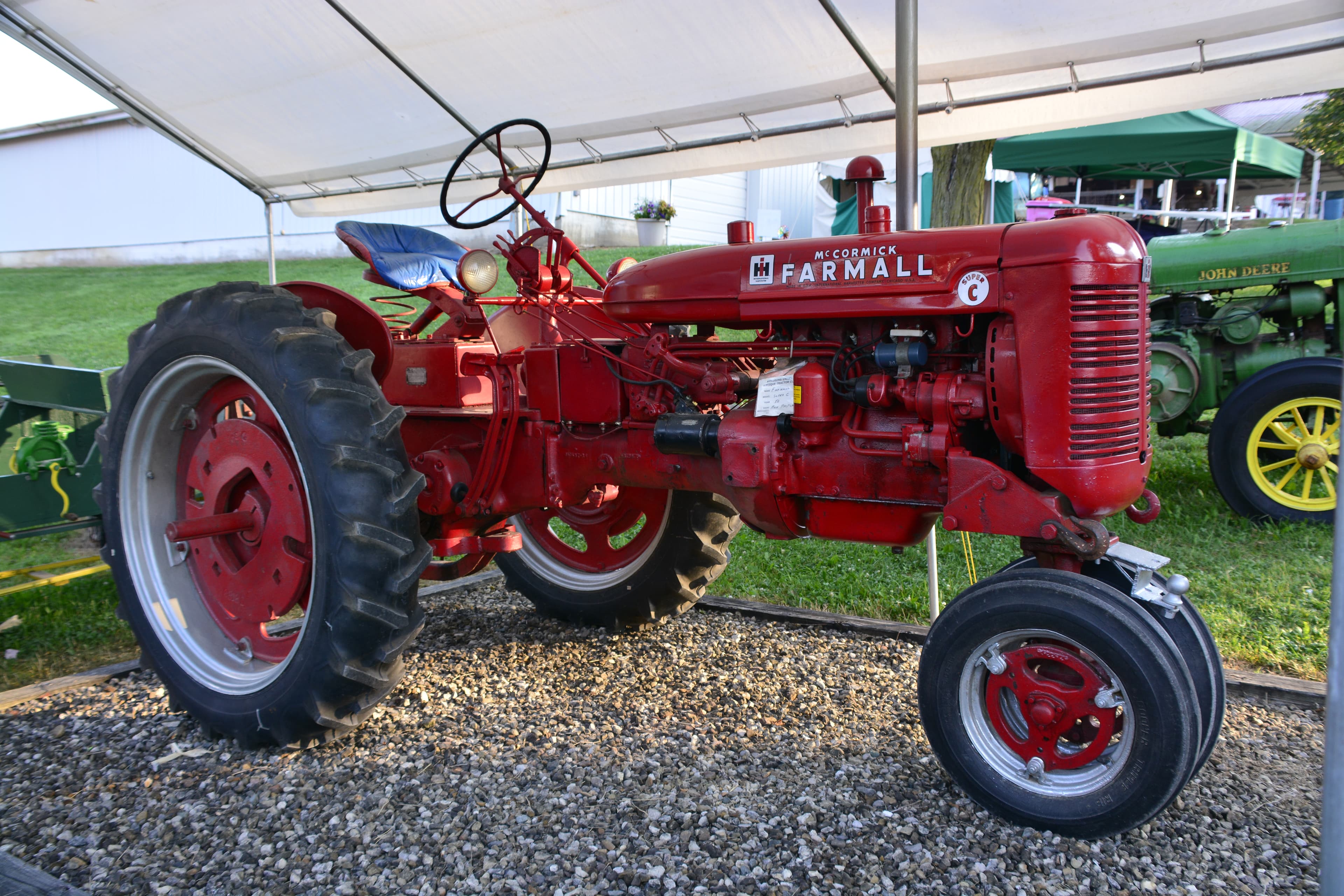
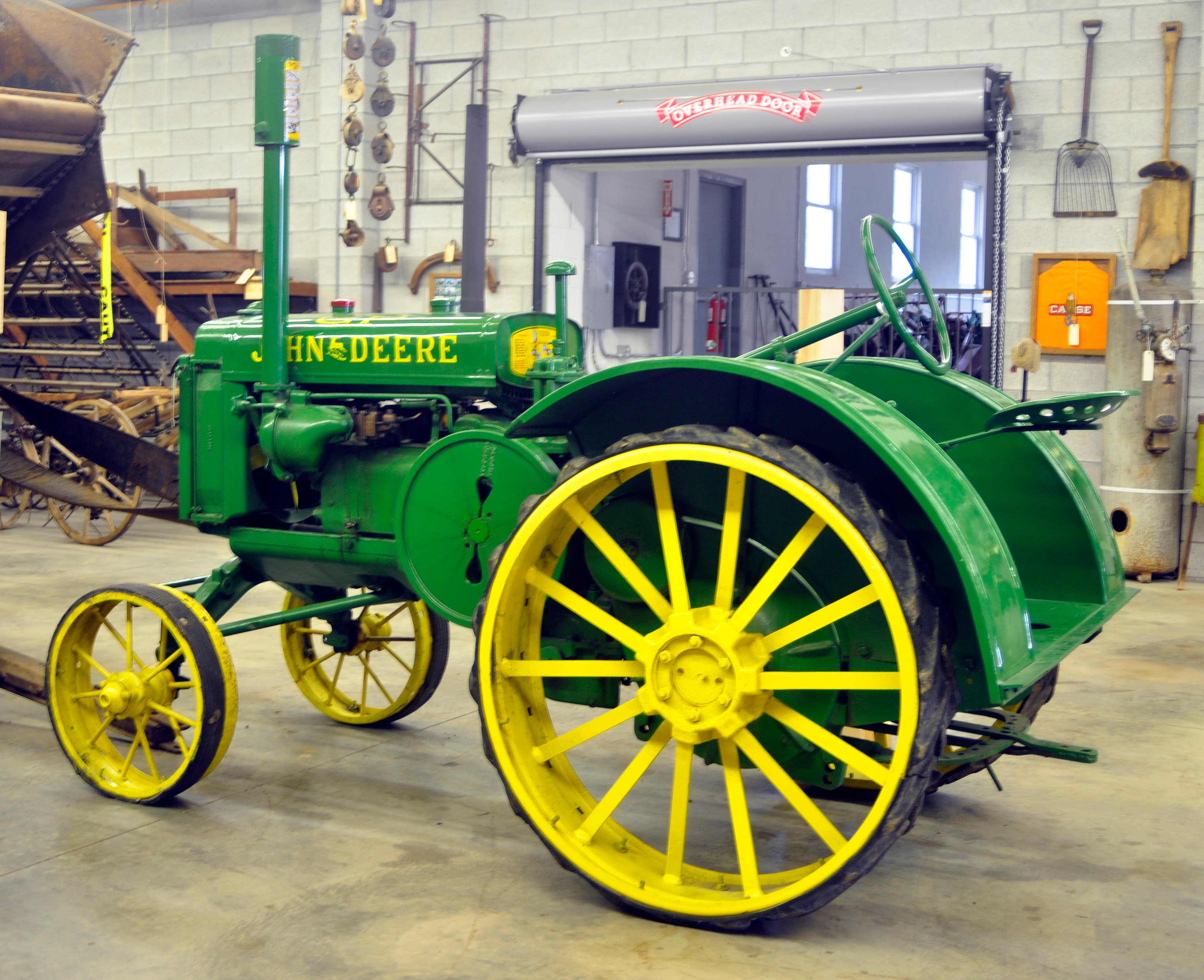
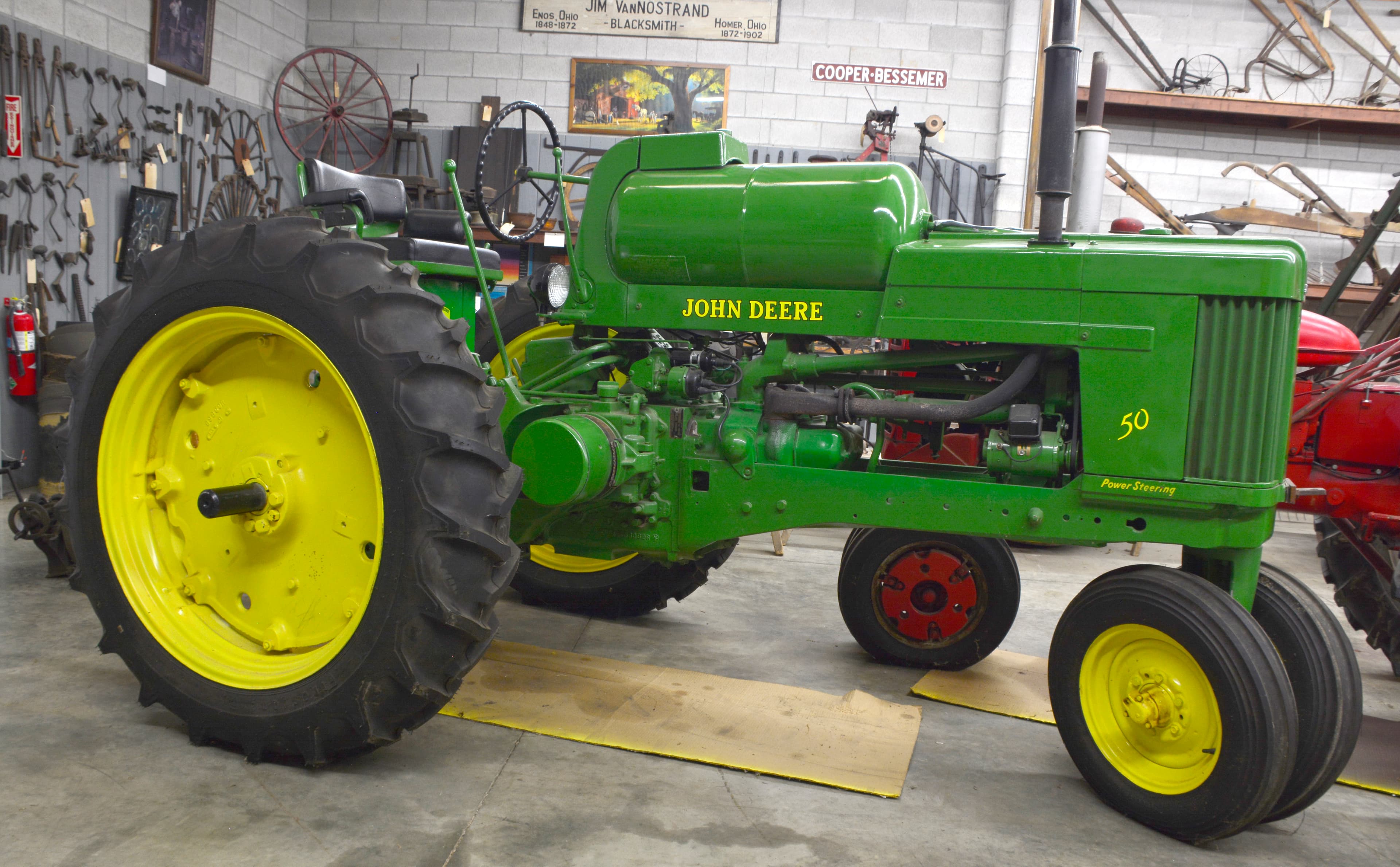
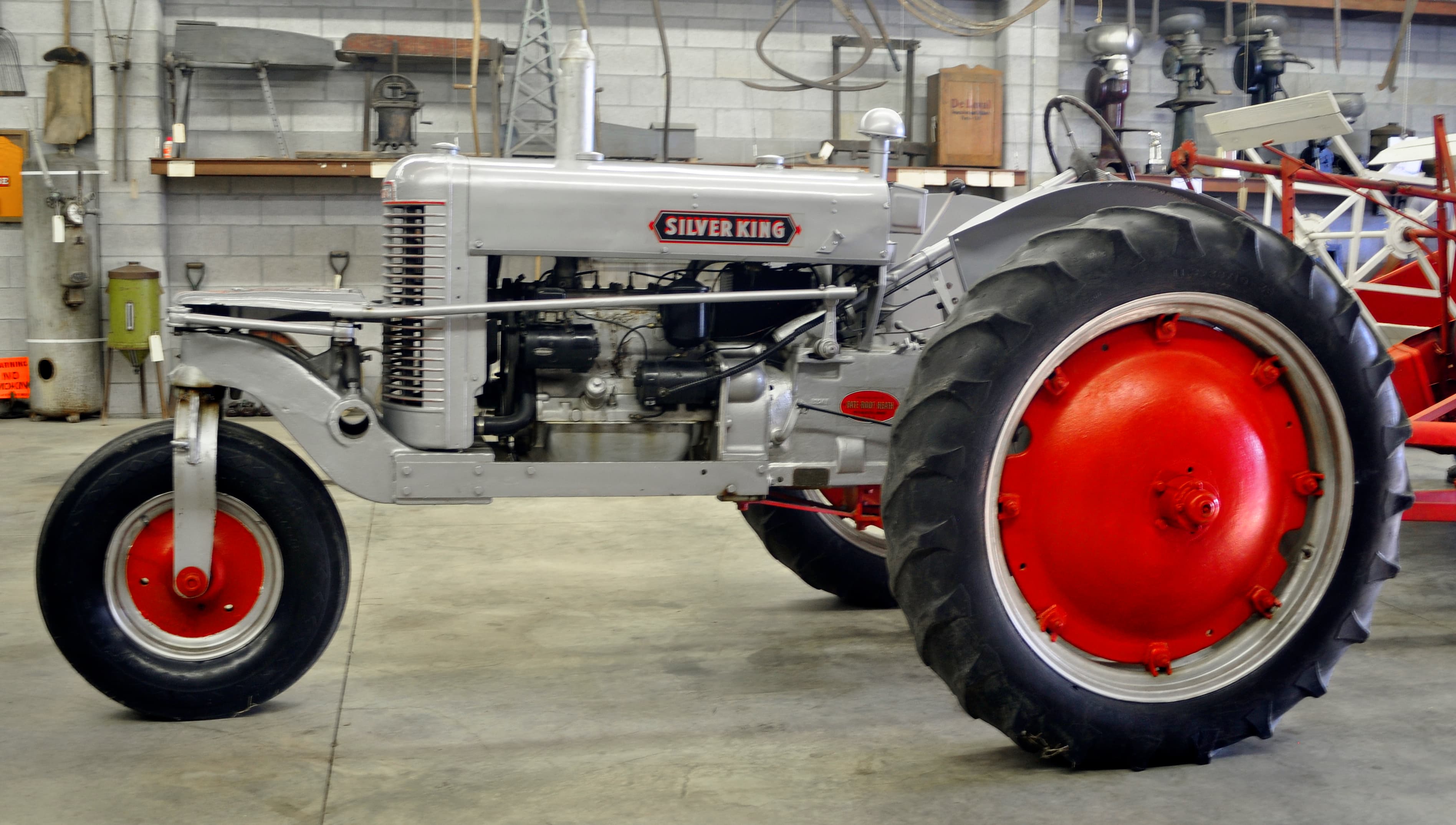
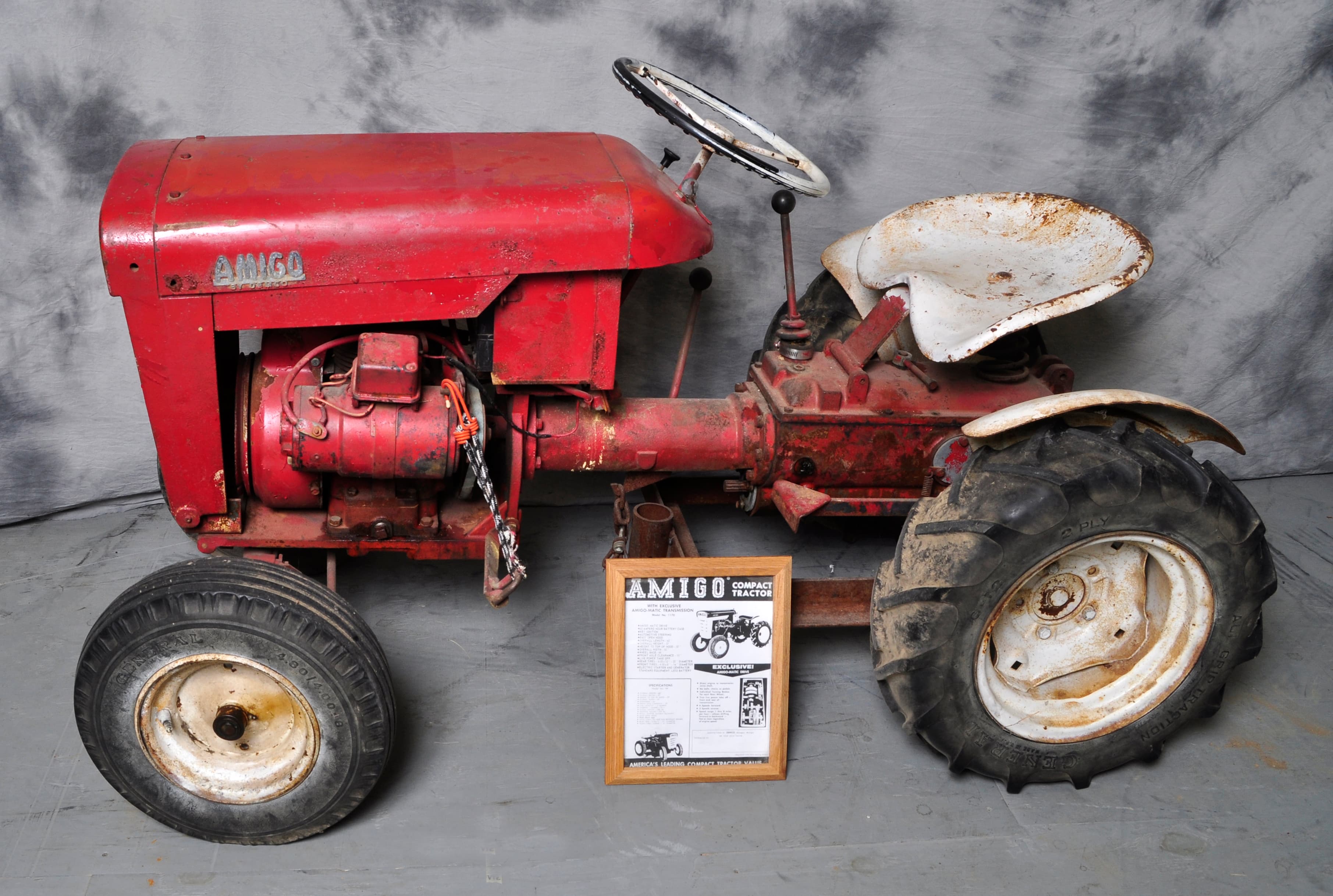
The tractor transformed American agriculture by replacing horses and mules with reliable mechanical power. As tractors evolved from steel-wheeled machines to today's computerized equipment, they allowed farmers to work more land, increase productivity, and feed a growing nation. Each tractor in this collection tells part of the story of American innovation and the remarkable advances that shaped modern farming.

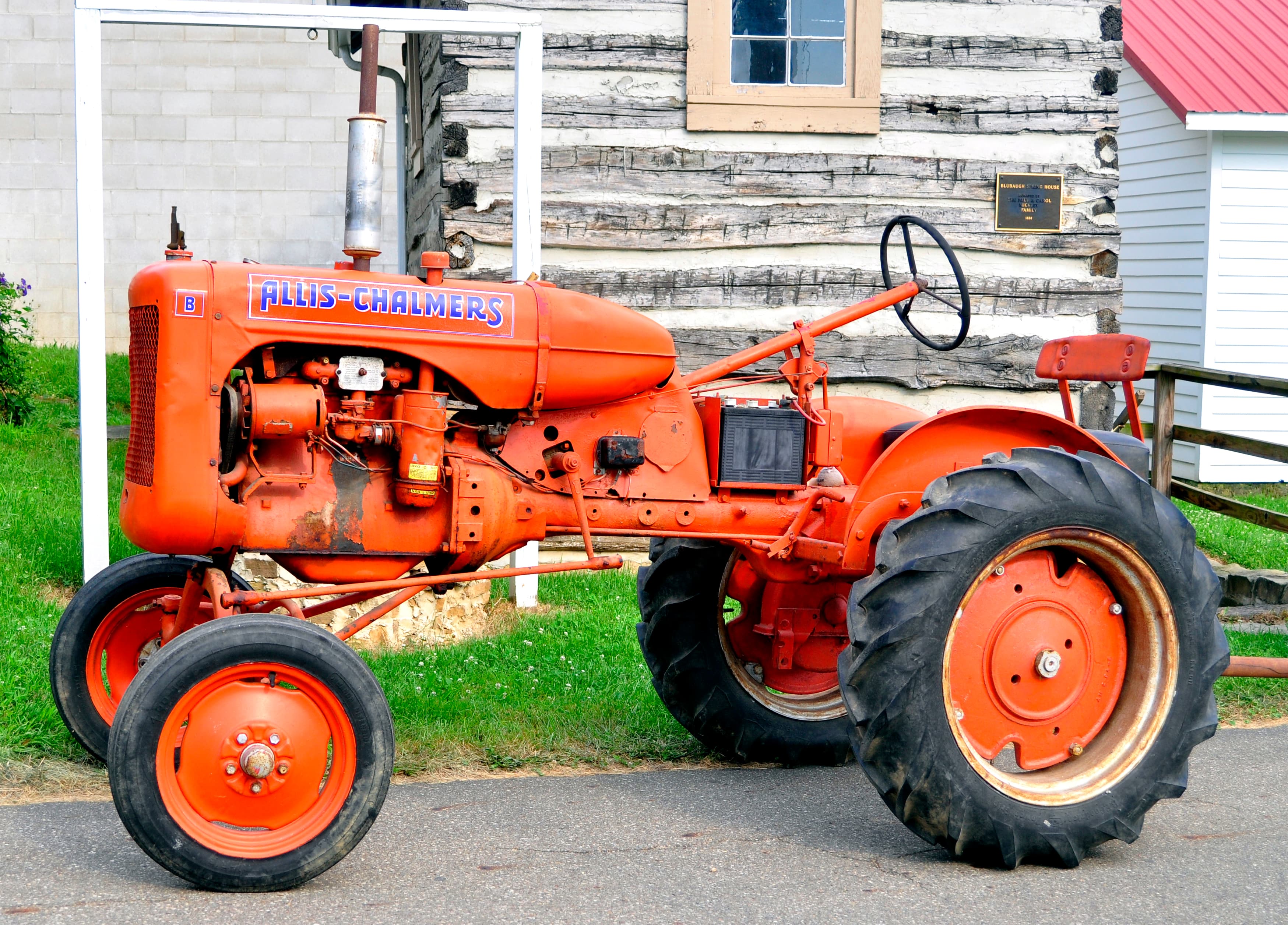
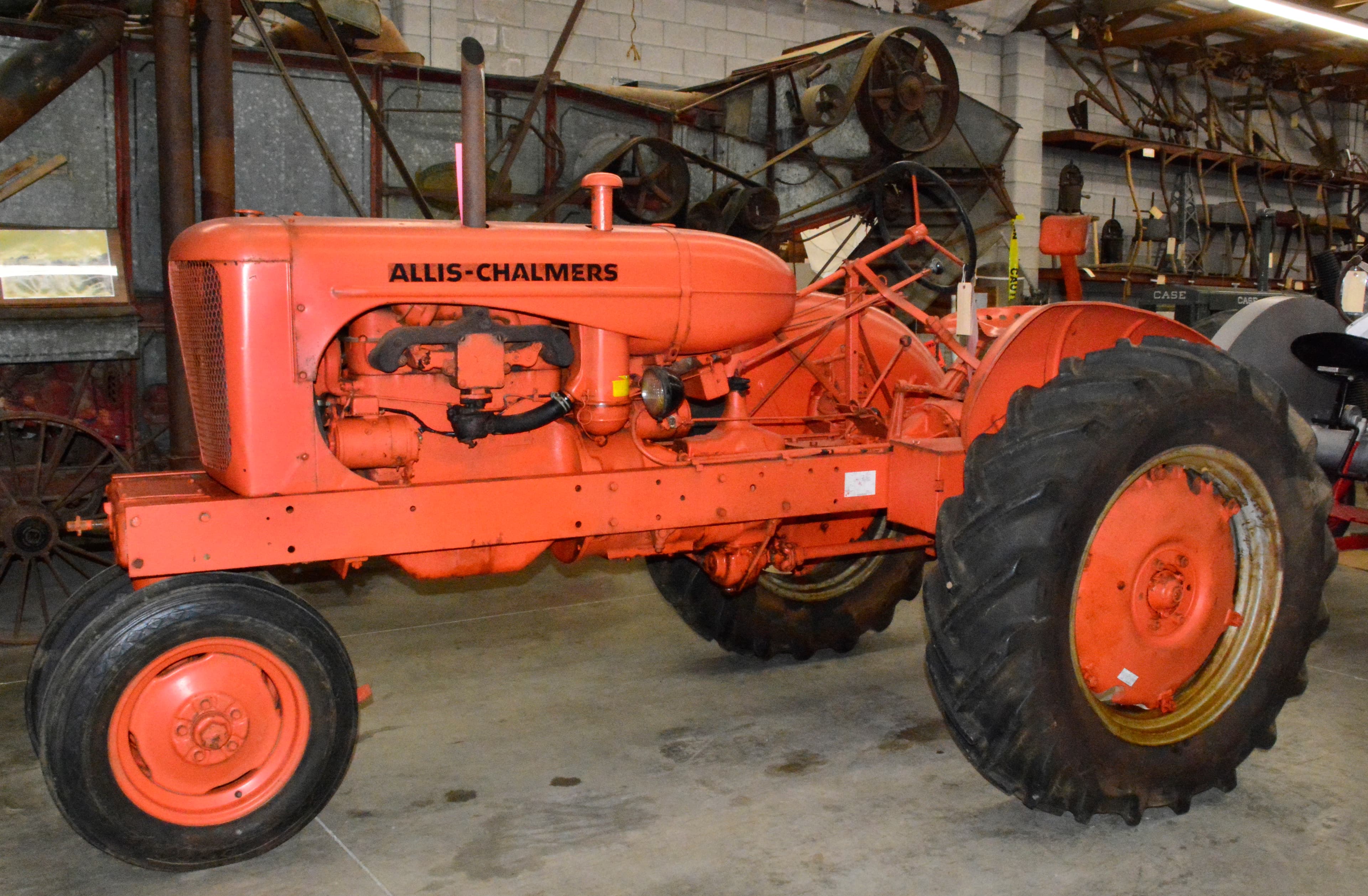
Allis Charmers  WC Tractor
Agricultural T&E

Allis Charmers WC Tractor

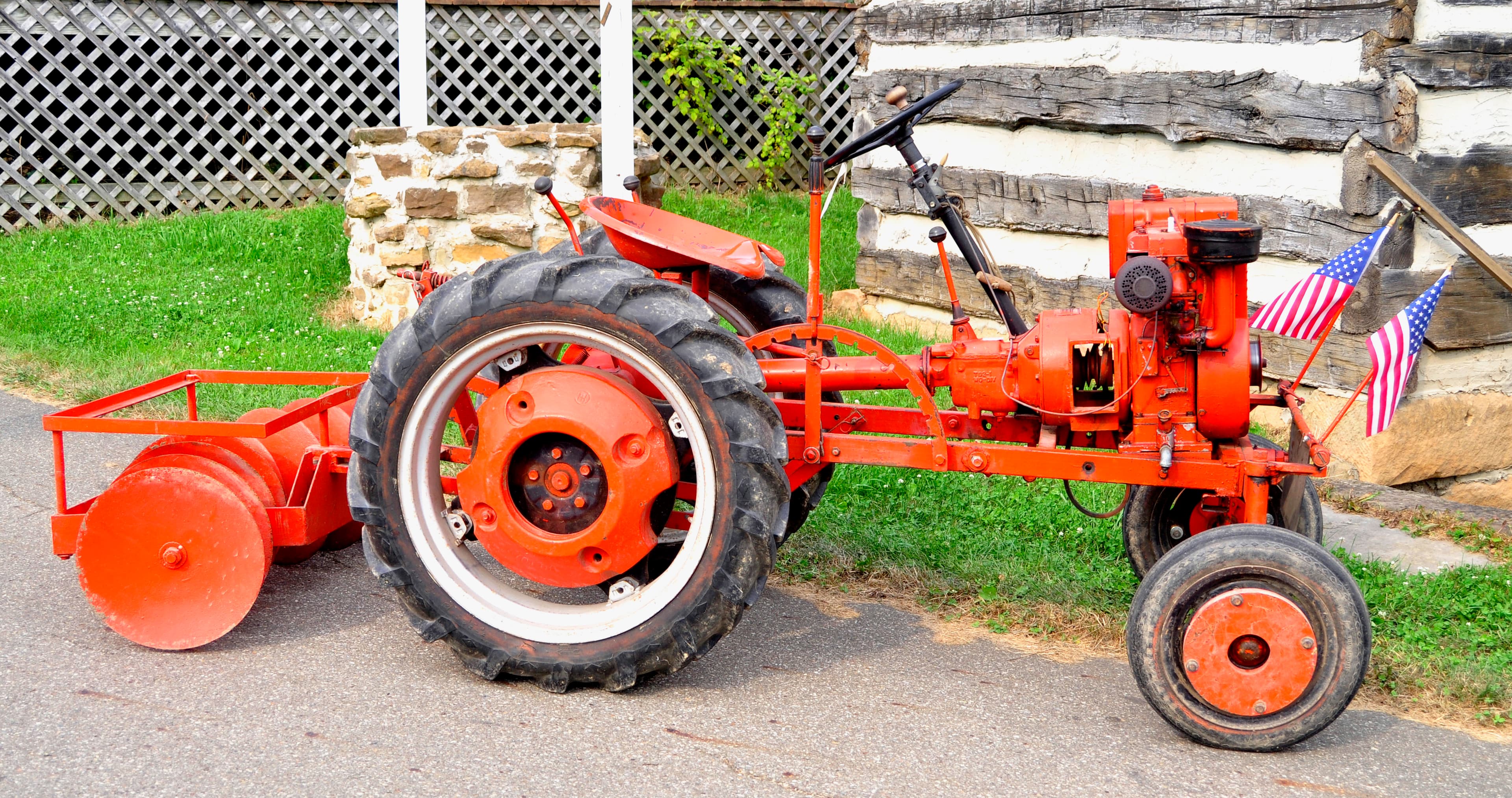
Allis-Chalmers WC Tractor (1933–1948) Introduced in 1933, the Allis-Chalmers WC became one of the most successful tractors of its era, helping farmers modernize during the challenging years of the Great Depression and World War II. Designed for row-crop farming, the WC was built to plow, cultivate, plant, and harvest, providing dependable power while remaining affordable for family farms. Producing approximately 20–25 horsepower, the WC featured a lightweight design that improved fuel efficiency and maneuverability. It was also one of the first tractors to offer rubber tires as standard equipment, replacing steel wheels and giving farmers a smoother ride, faster travel between fields, and better performance on roads. More than 178,000 WC tractors were built, making it one of Allis-Chalmers' most popular and influential models. Today, the Allis-Chalmers WC is remembered as a dependable workhorse that helped usher in a new era of efficient, mechanized farming across America. Fun Fact Did you know? The Allis-Chalmers WC was one of the first tractors sold with rubber tires as standard equipment. Compared to steel wheels, rubber tires allowed farmers to travel faster, reduced wear on roads, and made long days in the field much more comfortable. Why It Mattered The Allis-Chalmers WC proved that tractors didn't have to be large or expensive to make a big difference. Its affordability and practical design helped thousands of family farms make the transition from horses to tractors, forever changing the way American agriculture was powered.

Related Collections

Apple Peelers
66 items

Apple Peelers

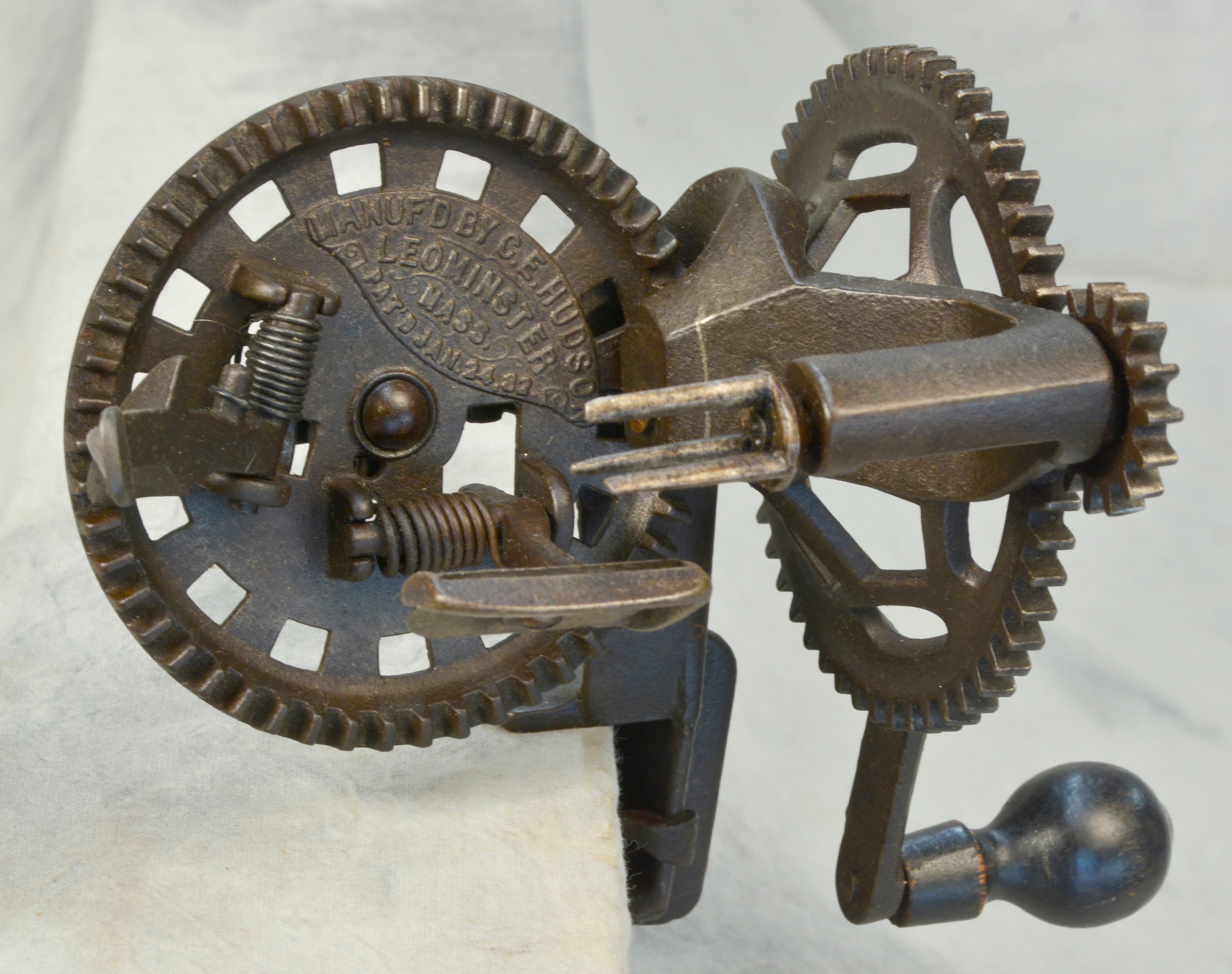
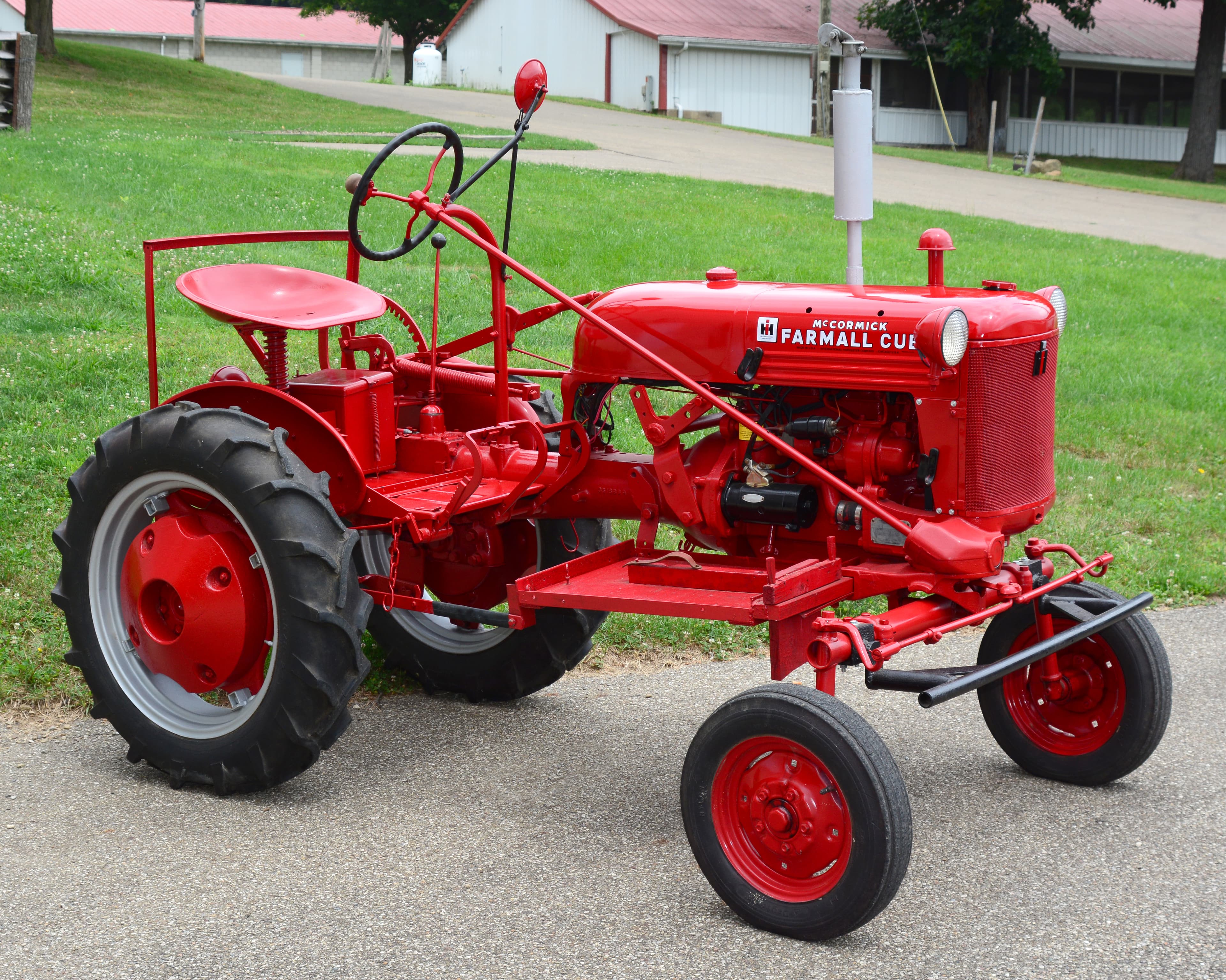
Before electricity and modern food processors, preparing apples for pies, applesauce, cider, dried apples, and preserves was a labor-intensive task. During the 1800s, families often spent days each autumn preserving the apple harvest for the coming winter. Hand-cranked apple peelers transformed that work, making one of the most time-consuming kitchen chores faster, safer, and more consistent. The earliest apple peelers, developed in the late 1700s and early 1800s, were simple wooden devices with hand-forged metal parts. As cast-iron manufacturing expanded during the mid-1800s, inventors introduced stronger, more precise machines that clamped securely to a table. New features—including spring-loaded peeling blades, geared cranks, automatic ejectors, corers, and slicers—made each generation more efficient than the last. Between 1803 and the early 1900s, hundreds of patents were issued for apple peelers, making them one of the most frequently patented household tools of the nineteenth century. Apple peelers were found in homes across America, where they helped families prepare apples for pies, butter, cider, preserves, and drying. As orchards, bakeries, cider mills, and food processors expanded, larger commercial versions were developed to handle greater volumes of fruit. Some industrial machines could peel, core, and slice an apple with a single turn of the crank, greatly increasing production while reducing labor. Our collection of more than 60 apple peelers illustrates this remarkable progression of American ingenuity. Each design reflects the continual search for a faster, more reliable way to accomplish an everyday task. Together they tell the story of how simple mechanical innovations improved life in the home while laying the groundwork for more efficient food manufacturing.

View Collection